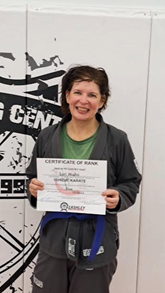
When I decided that I was going to thru-hike the Appalachian Trail in 2026, I knew that I would need to improve my fitness. I had been taking bootcamp and martial arts classes for a few years, but backpacking for months requires a different kind of strength. I worked with a personal trainer who created a fitness plan to help me achieve my goals. My routine included one day of stretching and mobility exercises, 3 days of strength training, and lots of walking outdoors on varying terrain or using the stair climber while wearing my pack. My trainer also helped me fine-tune my diet and increase my protein intake to fuel muscle growth. I followed this plan until a couple of weeks before our trip to Iceland this past August.
In July I developed a persistent pain on the outside of my left foot which turned out to be peroneal tendonitis, an inflammation of tendons on the foot and ankle. I had to ice and rest for a week and then got custom orthotics for my shoes, which helped but were not ideal. The shoe inserts forced me to correct my foot alignment, but I continued to have pain. Apparently I had started walking differently to compensate for a toe injury and continued that even after I healed. I was reminded that our bodies work as a system and when we adjust our movements to avoid pain in one area, we often cause injury and pain somewhere else. I am sure that there is a life lesson to be learned in that!
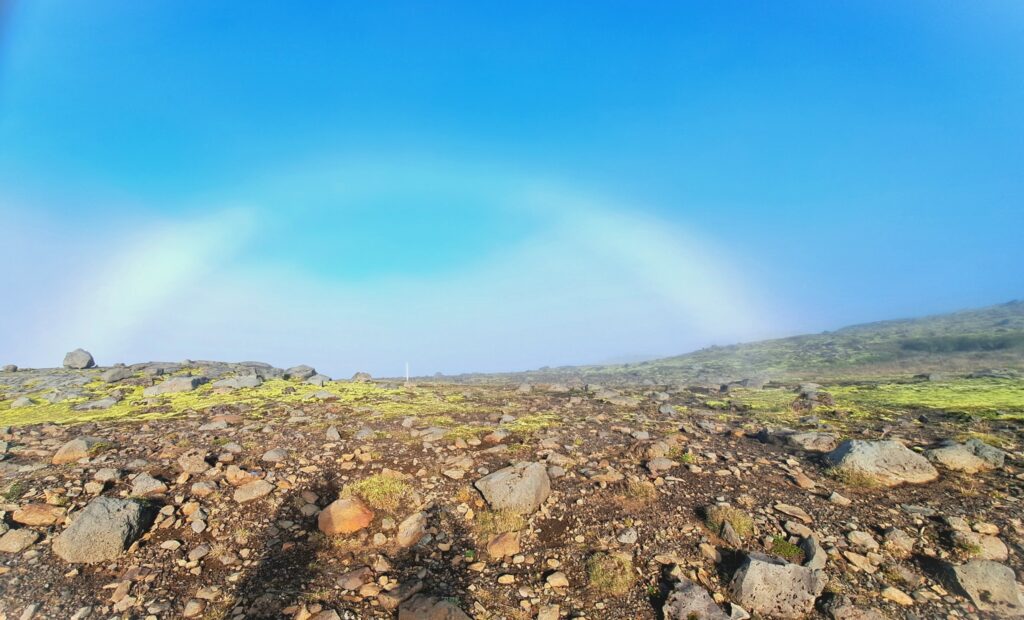
Fortunately, I healed enough over a few weeks that I was able to enjoy our backpacking trip in Iceland. This was an amazing 5-day hike with unbelievable views. Our longest mileage day was almost 15 miles, and our greatest elevation gain was a little over 3000 feet. My foot was good for most of the miles, but it hurt after we stopped walking for the day. I would rubbed on some Arnica cream before falling asleep each night and it was good-to-go for another day. In other ways I am happy to report that my training paid off and I handled the distance and climbs with ease. Descents were another story though — my knees would begin to feel stiff and eventually bending them would hurt with every downhill step. This was not a new issue for me when backpacking but I had hoped that getting stronger would have alleviated. My new goal became to figure out what caused this knee pain and fix it.
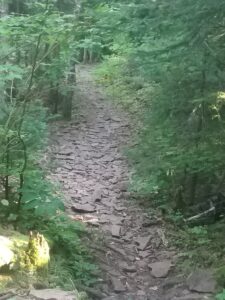
I realize that my year of training is specific to me and might not apply to any of you who are reading this, but we all have challenges to overcome and learn from. Maybe you can evaluate how well you’re prepared to accomplish your next goal, whatever it might be. Then, figure out your weaknesses and do what you can to overcome them. A smooth trail never made a skilled hiker. 🙂